
Wearable Wax Jewellery Models
Ensuring Your Bespoke Jewellery Piece Feels Right Before It’s Made
Discover David Law’s see, wear and perfect approach to Bespoke Design
Start Your Conversation With David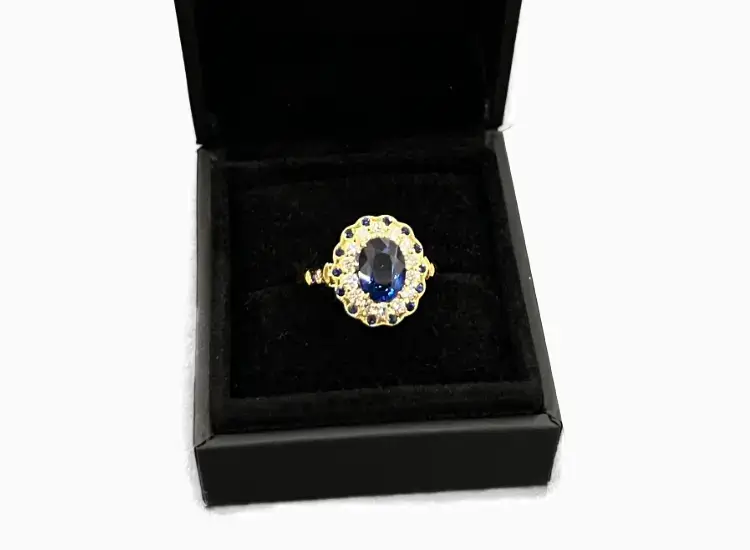
Explore. Wear. Refine. Approve
David Law Crafting Jewellery Since 1984
Creating bespoke jewellery should never mean committing to a single idea before you're completely confident it's the right one.
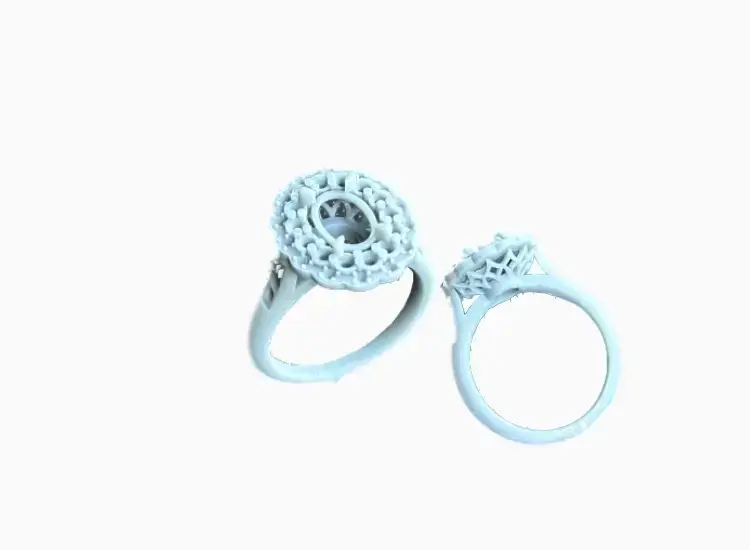
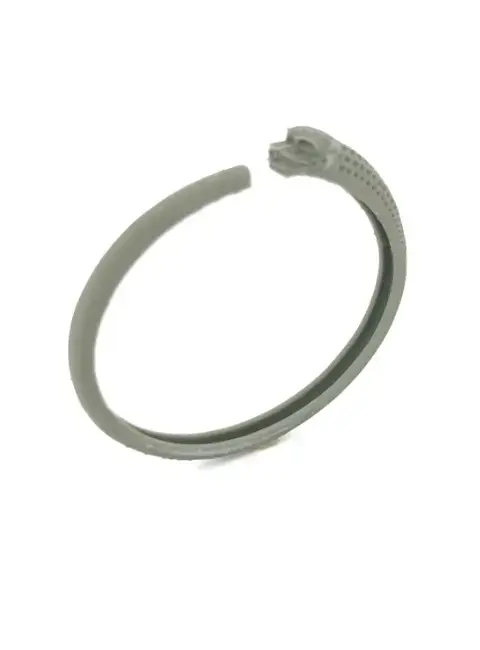
David Law's wearable wax jewellery models turn your 3D designs into physical prototypes that you can see, handle and wear. Explore different design concepts, compare proportions and details, and experience how your jewellery will actually look and feel before anything is handcrafted.
You don't commit to manufacturing until you are happy with the design.
Explore Multiple Jewellery Designs
David will develop your ideas into a personal collection of individual 3D design concepts, allowing you to compare different interpretations rather than imagine the possibilities.
Once you have identified the designs you particularly like, you can have them produced as wearable wax models.
Natural diamonds, lab-grown diamonds, coloured gemstones and heirloom stones can even be temporarily set into the models, allowing you to experience how different stones, settings and proportions work together before making your final decisions.

Wear Your Bespoke Jewellery Before It Is Handcrafted
A wearable wax jewellery model isn't just there to show you what your jewellery will look like. It gives you the freedom to make confident decisions before David makes it in precious metals and permanently sets your stones.
See how a ring sits on your finger, how an engagement ring and a wedding ring complement each other, how a bangle rests around your wrist, how a pendant hangs at your neck, how earrings look and move in your ears, or how cufflinks sit on a shirt cuff.
Proportions can be adjusted. Settings can be refined. Details can be added or removed. Different ideas can be compared. Only when everything feels right do you approve the design for handcrafting.

Modern Technology. Forty Years of Jewellery Experience.
3D design and high-resolution printing let you visualise and experience bespoke jewellery with extraordinary accuracy. But technology is only part of the process.
With more than 40 years of Hatton Garden jewellery experience, David understands how proportions, structure, comfort, durability, and craftsmanship must work together.
The wearable model therefore isn't simply a representation of how the jewellery will look. It is another opportunity to assess how the design will work as a piece of jewellery that will actually be worn.

Bespoke Jewellery Created Just for You
David’s approach to bespoke jewellery design gives you the freedom to explore possibilities rather than simply choosing from what already exists.
Whether you begin with an image, a sketch, a family heirloom, a particular diamond or gemstone, or simply an idea, wearable models let you take part in the design process and watch your jewellery take shape.
What you eventually approve is a design created for one person alone — you.

The Conversation Starts Here
Bespoke jewellery begins with an idea, but you don't have to imagine how that idea will look or feel. Explore your possibilities with David, develop your designs, and experience them as wearable models before anything is handcrafted.
Start your conversation with DavidDesigned Together:
A Beautiful Engagement Ring

I cannot recommend David more. He created the most beautiful engagement ring and was a pleasure to work with. The process of going through various diamond options together, seeing them in person, and also having multiple 3D printed "waxes" to compare the various options was perfect. My fiancée keeps mentioning how stunning the ring is, so thank you David!
Jozef Gwizdala
Read more Google reviews →Wearable Wax Jewellery Models FAQs
David Law Jewellery
Continue Exploring Bespoke Jewellery

House of David
Discover the philosophy behind David's personal approach to luxury bespoke jewellery.
DISCOVER THE HOUSE OF DAVID →
Bespoke Experience
Discover the complete journey from your first conversation to your finished jewellery.

Bespoke Jewellery
Explore the possibilities of creating a piece designed and handcrafted exclusively for you.
DISCOVER BESPOKE JEWELLERY →
About David
From Hatton Garden apprentice to Master Jeweller and more than 40 years creating bespoke jewellery.
READ DAVID LAW'S STORY →